

In a world where emojis often replace words, early literacy might seem like a relic of the past. But hold on! It’s more crucial than ever. Imagine a future where kids confidently tackle their favorite books instead of just deciphering their favorite memes. Early literacy isn’t just about reading; it’s the foundation that shapes critical thinkers, creative storytellers, and lifelong learners.
Understanding Early Literacy
Early literacy forms the foundation for reading and writing skills crucial for development. It encompasses a range of skills that young children acquire before they engage with books and texts.
Definition of Early Literacy
Early literacy refers to the initial skills and knowledge children develop related to reading and writing. It includes phonemic awareness, vocabulary acquisition, and narrative skills. Children exposed to language-rich environments demonstrate improved listening skills and comprehension. Engaging with stories, songs, and rhymes fosters these early literacy abilities. Parents and caregivers play a significant role by providing supportive interactions that enhance these foundational skills.
Importance of Early Literacy
Understanding early literacy’s importance is vital for children’s educational success. Research indicates that children who develop strong early literacy skills are more likely to become proficient readers and writers. Proficiency in these areas opens doors to lifelong learning opportunities. Additionally, early literacy promotes critical thinking, creativity, and social-emotional development. Educators and parents working together can create a nurturing environment that prioritizes literacy. This collaboration ensures that children embark on their educational journeys equipped with essential skills for future academic achievement.
Key Components of Early Literacy
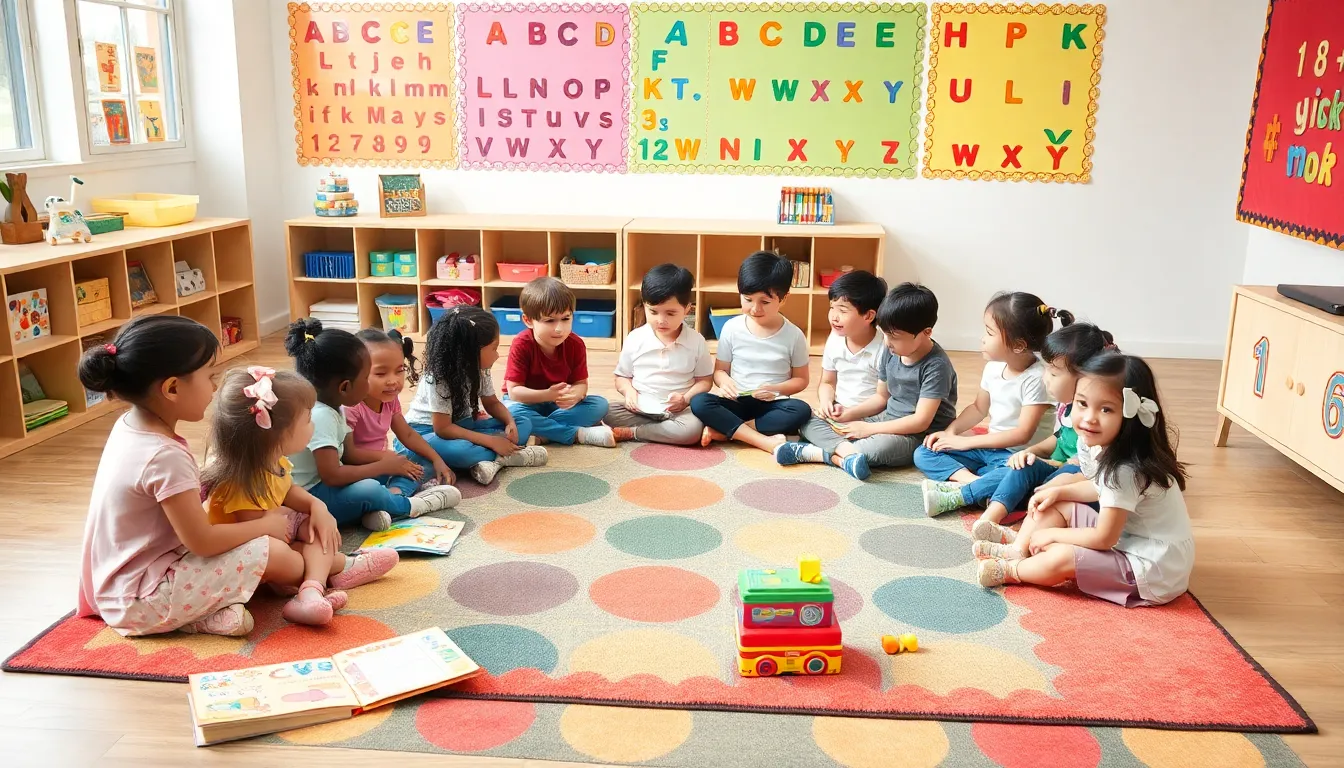
Key components of early literacy include phonemic awareness, vocabulary development, and print awareness. Each element contributes to a child’s foundational reading and writing skills.
Phonemic Awareness
Phonemic awareness refers to the ability to recognize and manipulate individual sounds in spoken words. Children who develop strong phonemic awareness can identify, segment, and blend sounds effectively. Research shows that explicit instruction in this skill significantly enhances reading abilities, especially in early grades. Activities like rhyming games or sound matching can promote these skills. Engaging with children through fun and interactive methods fosters this critical component.
Vocabulary Development
Vocabulary development involves the expansion of a child’s understanding and use of words. Rich and diverse language exposure directly impacts vocabulary growth. Reading aloud to children daily introduces new words and concepts, making them more familiar with language. Encouraging discussions about stories can further enhance vocabulary acquisition. Children with robust vocabularies demonstrate better reading comprehension, lasting into their academic journey. Thus, investing time in vocabulary activities pays dividends in literacy success.
Print Awareness
Print awareness includes understanding that print carries meaning and recognizing the forms and functions of written language. Children grasp concepts like reading from left to right and identifying letters and words through consistent exposure to books. When parents and caregivers read with children, they naturally foster print awareness. This experience aids children in becoming comfortable with books and understanding their structure. Notably, children with strong print awareness show increased readiness for formal reading instruction. Developing this awareness promotes literacy development as they progress.
Strategies to Promote Early Literacy
Promoting early literacy involves various engaging strategies that foster children’s reading and writing skills. These approaches support foundational skills critical for academic success.
Reading Aloud
Reading aloud to children significantly enhances their vocabulary and comprehension. Parents and caregivers who incorporate daily reading sessions introduce new words in context, which improves language acquisition. Storytime also strengthens the bond between the reader and child, creating a love for books. Selecting diverse genres and topics keeps children interested. Consistent reading experiences shape children’s understanding of narrative structure and themes, laying a solid foundation for future literacy skills.
Interactive Storytelling
Interactive storytelling captivates children’s attention while enhancing their language abilities. Encouraging children to participate in storytelling makes the process dynamic and enjoyable. Asking open-ended questions about the plot allows children to think critically and articulate their thoughts. Using props and gestures adds a tactile element that engages multiple senses. Children who actively participate in storytelling develop narrative skills and improve their ability to express ideas coherently. This method fosters creativity while reinforcing the essential components of storytelling.
Use of Technology
Technology serves as a valuable tool in promoting early literacy. Interactive e-books and educational apps provide engaging content that captures children’s interest. Digital platforms often include features like animations and audio, enhancing the reading experience. Parents and educators who use technology effectively can supplement traditional learning methods. Monitoring screen time ensures a balanced approach while integrating technology in literacy development. Children exposed to high-quality educational technology build foundational skills and confidence in reading.
Challenges in Early Literacy Development
Early literacy faces several challenges that can impede a child’s development. Understanding these obstacles is crucial for creating effective solutions.
Socioeconomic Factors
Socioeconomic status significantly impacts early literacy development. Families with limited resources may lack access to books and educational materials. Children from low-income backgrounds often miss out on language-rich environments, leading to vocabulary gaps. Research indicates that children in higher socioeconomic brackets tend to have larger vocabularies and better reading skills. Communities play a vital role in supporting literacy through programs that provide resources and learning opportunities. Addressing these disparities fosters equitable access to early literacy experiences for all children.
Learning Disabilities
Learning disabilities present additional challenges in early literacy. Children with dyslexia or other reading disorders may struggle with phonemic awareness and decoding skills. Early intervention is critical for assisting these children; targeted strategies can enhance their reading abilities. Research shows that individualized instruction significantly improves outcomes for children with learning disabilities. Identifying these challenges early allows educators and parents to implement effective support systems, creating a more inclusive environment for all learners. Building a solid foundation in literacy for these children promotes their overall academic success.
Early literacy is an essential building block for children’s future success. By fostering skills like phonemic awareness and vocabulary development, parents and educators can create a strong foundation for lifelong learning. Engaging strategies such as reading aloud and interactive storytelling not only enhance comprehension but also ignite creativity and critical thinking.
Addressing challenges like socioeconomic barriers and learning disabilities is crucial in ensuring that every child has equal access to literacy resources. A collaborative effort between families and educators can help bridge these gaps, creating an inclusive environment that nurtures all children. Ultimately, prioritizing early literacy paves the way for a brighter future filled with opportunities for every child.