
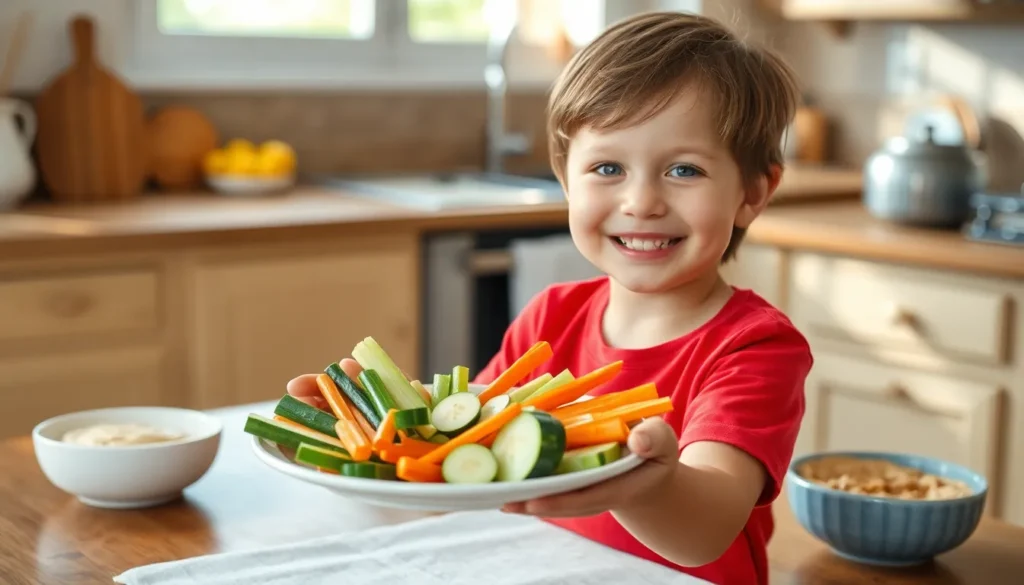
When it comes to kids and snacks, parents often find themselves in a battle of wills. On one side, there’s the undeniable allure of sugary treats that seem to call out from every corner of the grocery store. On the other, there’s the quest for healthy snacks that won’t leave them bouncing off the walls. It’s a snack-time showdown, and the stakes couldn’t be higher—happy kids and guilt-free munching!
Imagine a world where kids actually beg for carrot sticks instead of candy bars. With the right healthy snacks, that dream can become a reality. Packed with nutrients and bursting with flavor, these snacks not only satisfy little tummies but also keep energy levels steady. Dive into the delicious realm of healthy snacking and discover options that’ll make both kids and parents cheer. After all, who says healthy can’t be fun?
Understanding Healthy Snacks for Kids
Healthy snacks for kids play a vital role in their growth and development. Parents can provide snacks that satisfy hunger while supporting overall health.
Nutritional Importance
Nutrition significantly impacts a child’s energy levels and mood. Healthy snacks deliver essential vitamins and minerals needed for proper functioning. For instance, foods rich in fiber promote digestion, while calcium supports bone health. Snacks containing protein help maintain muscle development and provide long-lasting energy. Incorporating a variety of nutrients helps prevent deficiencies and encourages balanced eating habits.
Choosing the Right Ingredients
Selecting the right ingredients ensures snacks are both nutritious and appealing. Opt for whole foods like fruits, vegetables, nuts, and whole grains. Fresh fruit provides natural sweetness, while vegetables add crunch and fiber. Nuts offer healthy fats, protein, and flavor variety. Avoid highly processed ingredients, as they often contain added sugars and unhealthy fats. Reading labels can aid in making informed choices. Including colorful options can also make snacks visually appealing and interesting for children.
Types of Healthy Snacks
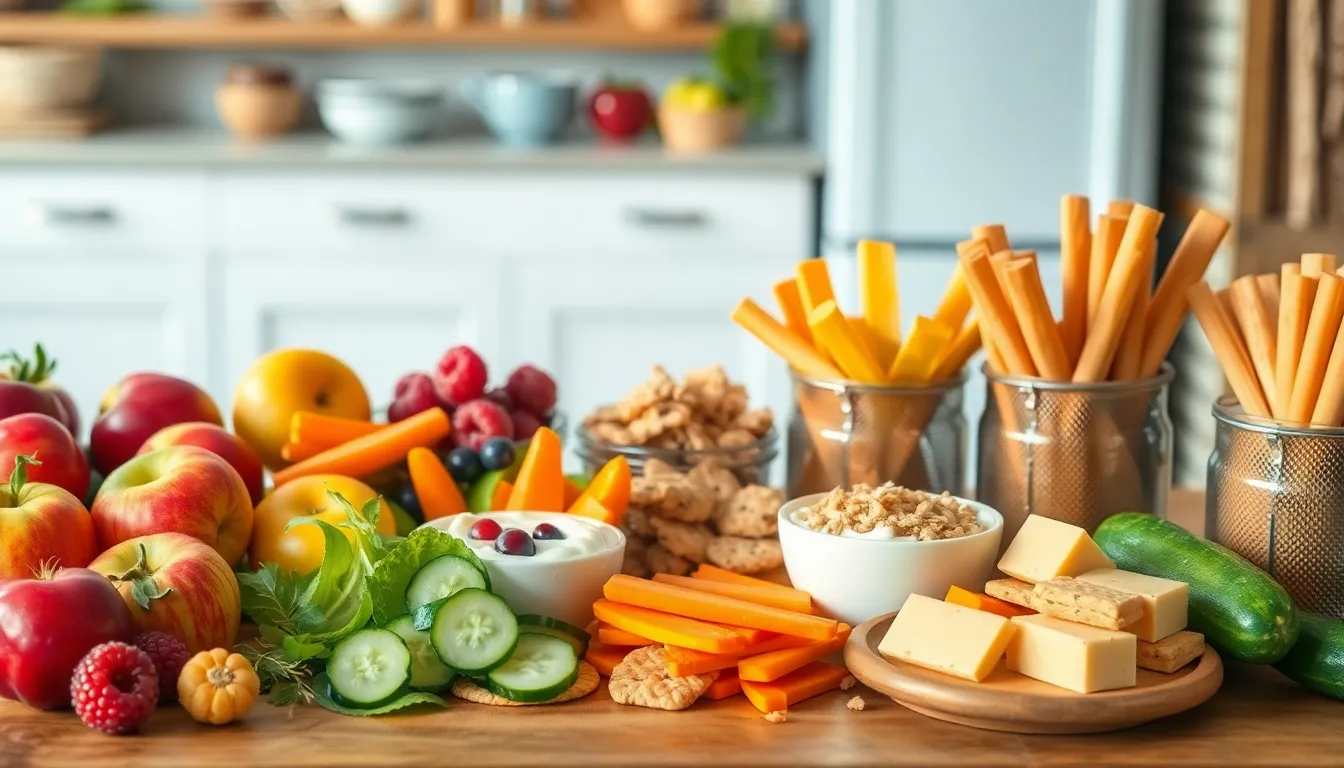
Healthy snacks come in various forms, providing kids with essential nutrients and delicious flavors. Parents can choose from a variety of options, ensuring snack time stays fun and nourishing.
Fruits and Vegetables
Fruits and vegetables offer a vibrant selection for healthy snacking. Apples, bananas, and berries serve as quick, portable treats rich in vitamins. Carrot sticks, cucumber slices, and bell pepper strips provide a satisfying crunch and can be paired with hummus or yogurt for added flavor. Dipping options enhance interest while retaining nutritional value. Fresh options encourage children to explore different colors and textures, promoting balanced eating habits.
Whole Grains
Whole grains form an excellent base for nutritious snacks. Whole grain crackers, popcorn, and oat-based bars supply fiber supporting healthy digestion. Various combinations with nut butter or cheese create delicious pairings that elevate taste. Parents can opt for low-sugar granola or whole grain muffins, enticing children with their appealing flavors. Such snacks not only satisfy hunger but deliver sustained energy throughout the day.
Dairy-Based Snacks
Dairy-based snacks also present nutritious choices. Yogurt offers a creamy texture that many kids enjoy, providing calcium for strong bones. Incorporating fruit or granola enhances both flavor and nutrition. Cheese sticks or cubes deliver protein, making them convenient grab-and-go options. Various dairy products cater to different tastes, ensuring kids find satisfying snacks they love while supporting their growth and development.
Making Healthy Snacks Fun
Making healthy snacks enjoyable encourages children to choose nutritious options. This approach enhances the overall snacking experience while ensuring kids receive essential nutrients.
Creative Presentations
Creative presentations capture children’s attention and spark interest in healthy snacks. Arrange fruits and vegetables into fun shapes, such as animal faces or colorful rainbows. Use cookie cutters to create star or heart-shaped sandwiches. Serve snacks in colorful bowls or on themed plates, adding excitement to each bite. Introducing dips in vibrant containers adds flair, making hummus or yogurt even more appealing. Ultimately, these engaging presentations promote a positive attitude toward healthy eating.
Involving Kids in Preparation
Involving kids in preparation fosters a sense of ownership and excitement about snacks. Allow children to choose their favorite fruits or vegetables while grocery shopping. Assign tasks like washing produce or mixing ingredients during snack prep. Encourage creativity with DIY snack stations for assembling personalized treat options. This hands-on experience builds cooking skills and makes healthy eating more relatable. Overall, children gain confidence in choosing nutritious options when they participate in creating their snacks.
Tips for Parents
Healthier snack choices for kids require thoughtful preparation. Parents can make informed decisions by actively engaging in the snack planning process.
Planning Ahead
Planning snacks in advance helps ensure kids enjoy nutritious options. Parents can create a weekly menu that includes a variety of fruits, vegetables, and whole grains. This approach reduces last-minute, unhealthy choices. Storing pre-cut veggies and fruits in easy-to-reach containers encourages kids to grab these healthful snacks. Involving children in selecting snacks fosters excitement and ownership. It cultivates a positive relationship with healthy foods from an early age. Snacks like nut butter with apple slices or yogurt with berries become easy, enjoyable options when prepared ahead of time.
Reading Labels
Reading labels on food packages offers essential insights into nutritional content. Parents should focus on identifying key ingredients, emphasizing whole food components. Avoiding added sugars and artificial additives leads to healthier choices. Ingredients like whole grains, natural sweeteners, and healthy fats should appear prominently on the label. Parents can compare various snacks to make well-informed decisions. Understanding serving sizes also aids in portion control, ensuring kids receive ample nutrients without excessive calories. Being knowledgeable about what’s inside foods enables parents to guide kids towards better snack habits.
Navigating the world of snacks for kids doesn’t have to be daunting. By prioritizing healthy options parents can create a positive snacking environment that supports their children’s growth and development. Emphasizing whole foods and involving kids in the process not only makes healthy eating enjoyable but also instills lifelong habits.
With a variety of colorful and flavorful choices available parents can transform snack time into a fun and nutritious experience. By planning ahead and being mindful of ingredients parents can ensure their children make better choices. This commitment to healthy snacking paves the way for happier and healthier kids.