
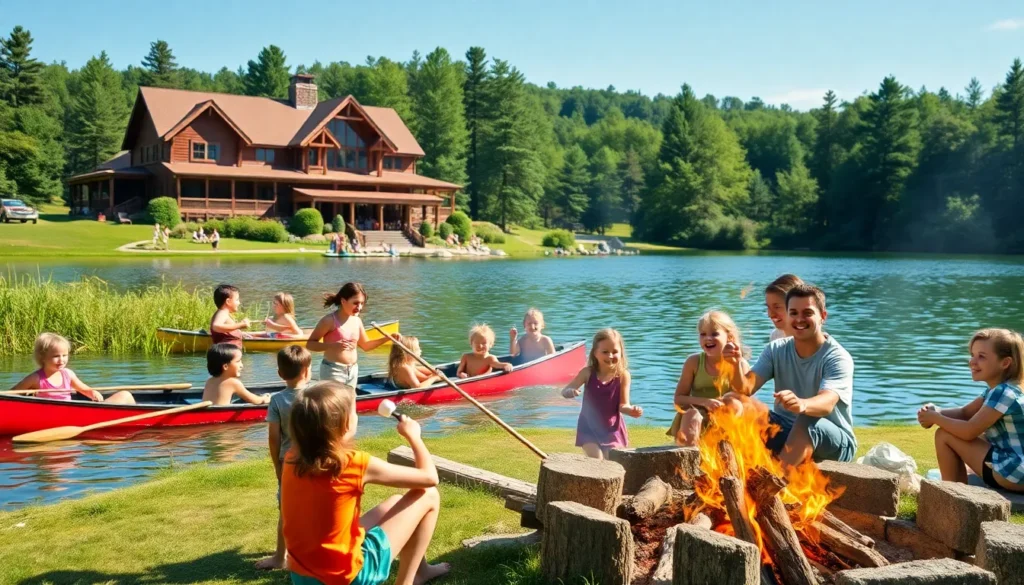
When summer rolls around, thoughts of campfires, canoeing, and endless s’mores send many people down memory lane. But what if the nostalgia could be your new reality? Summer camps aren’t just for kids: they’re a treasure trove of opportunities for savvy investors. Imagine owning a piece of land buzzing with laughter and adventure. If the idea of running a summer camp excites you, this guide will light your path.
Why Invest in a Summer Camp?
Understanding the Market Trends
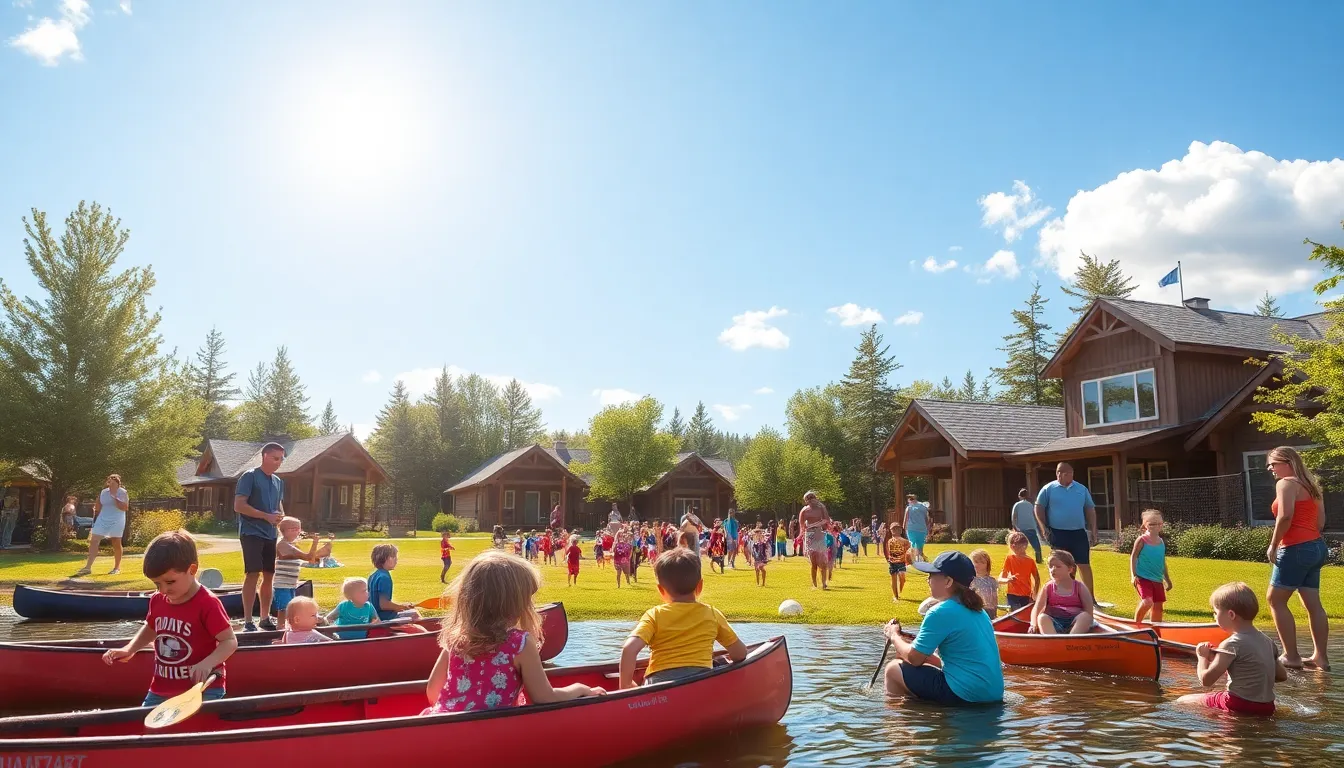
In recent years, the summer camp market has blossomed like never before. Families crave safe and engaging spaces for their children, especially after the pandemic. Parents are increasingly willing to invest in experiences over material goods, and camps offer precisely that, a unique way for kids to explore, learn, and interact. Industry statistics indicate that the summer camp sector has shown a steady growth rate of around 5% annually, fueled by a growing demand for outdoor experiences and holistic education.
Benefits of Owning a Summer Camp
Owning a summer camp comes with a treasure chest of benefits. For starters, it opens up an avenue of revenue generation. Tuition, after-school programs, and special events can create multiple streams of income. It also offers the unique opportunity to engage with the community on a personal level, helping to foster lifelong relationships. Think about it: not only does it let individuals contribute positively to children’s growth, but it also provides them with a chance to leave a lasting legacy. Education, outdoor activities, and mentorship all converge in a setting that marries fun and learning, making this investment incredibly rewarding.
Key Considerations Before Purchasing
Evaluating Camp Facilities and Location
Before jumping in, potential buyers should take a careful look at the camp facilities and location. Is it accessible? Does it have adequate lodging, sanitation, and recreational areas? A camp nestled in serene mountains or near a tranquil lake can enchant campers, but potential buyers must consider weather conditions and nearby amenities too. Proximity to urban areas can have its perks, like attracting local families.
Financial Aspects of Buying a Summer Camp
The financial side can often boggle even the most seasoned investor. It’s essential to analyze not just the price tag but also the projected income, operational costs, and potential market. Factors like permits, insurance, and staffing expenses play a significant role in calculating the overall financial viability. Also, creating a realistic budget and having a thorough cash flow forecast can ensure success.
Legal and Regulatory Factors
Identifying the Right Summer Camp For You
Every state has its own regulations about summer camps, so it’s pivotal for buyers to do their assignments. Understanding health and safety requirements is non-negotiable, as is researching local zoning laws. Prospective camp owners should also familiarize themselves with licensing requirements, staff training regulations, and safety protocols. Finding the right camp often means navigating a maze of paperwork, but armed with the right information, it can make all the difference.
Tips for a Successful Purchase Process
Investment in a summer camp can be exhilarating, but it’s crucial to undertake a successful purchase process. First, enlist the help of a real estate agent who specializes in commercial properties. Their expertise can help you find listings that meet your vision and requirements. Next, always conduct due diligence, this means reviewing records, visiting the site multiple times, and speaking with current staff if possible. It’s also wise to consult a lawyer well-versed in real estate transactions to avoid pitfalls. Finally, be ready to negotiate. Whether it’s the price or the terms of sale, being prepared can lead to a favorable outcome.