
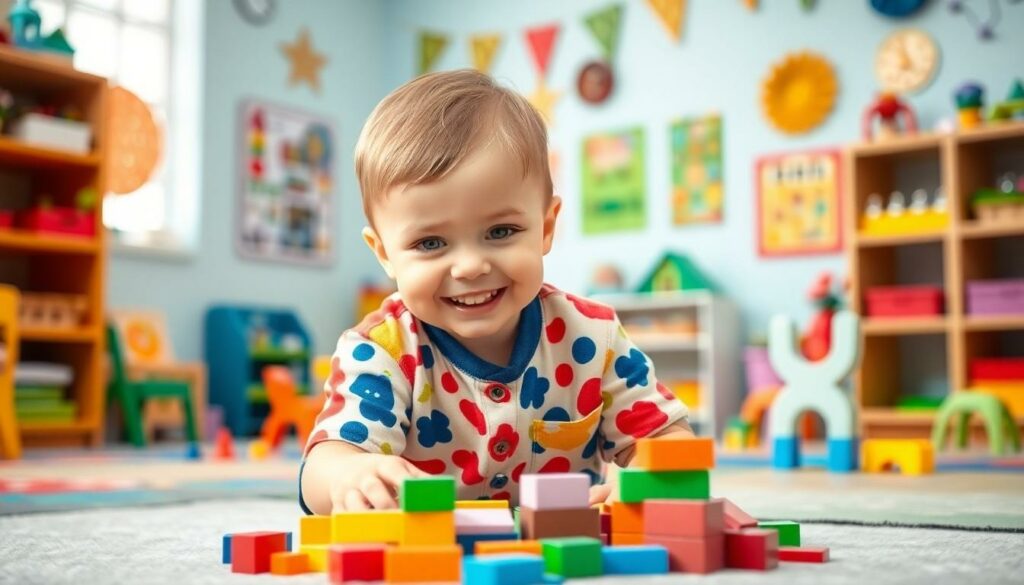
In a world where toddlers are mastering tablets faster than adults, early learning has become the secret sauce for a bright future. It’s not just about ABCs and 123s; it’s about igniting curiosity and creativity before they can even tie their shoelaces. Imagine a place where learning feels like play and every day is an adventure.
Understanding Experience Early Learning
Experience early learning shapes the growth of young children, concentrating on holistic development. This approach nurtures essential skills that kids require in a rapidly changing world.
Definition and Importance
Experience early learning refers to hands-on, interactive education designed for children before formal schooling. This type of learning fosters critical thinking, creativity, and emotional intelligence. Engaging experiences provide opportunities for exploration, enabling children to discover their environment actively. Research shows that children who participate in early learning programs perform better academically in later years. Curbing knowledge gaps during formative years has profound impacts on lifelong learning and adaptability. Emphasizing a range of development—cognitive, social, and physical—ensures that children thrive as well-rounded individuals.
Key Principles of Early Learning
Play serves as a fundamental teaching tool in early learning environments. Children engage with materials and concepts through exploration, making learning enjoyable. Personalized experiences cater to each child’s unique interests and learning styles. Encouraging cooperation fosters social skills and emotional resilience. Environments should promote curiosity, allowing children to ask questions and seek answers. Continuous assessment aids educators in identifying developmental milestones and necessary adjustments. Engaging families in the education process builds a stronger support system for children’s growth.
Methods and Approaches
Experience early learning employs various methods and approaches that enhance a child’s educational journey. These strategies support holistic development, fostering essential skills for success.
Play-Based Learning
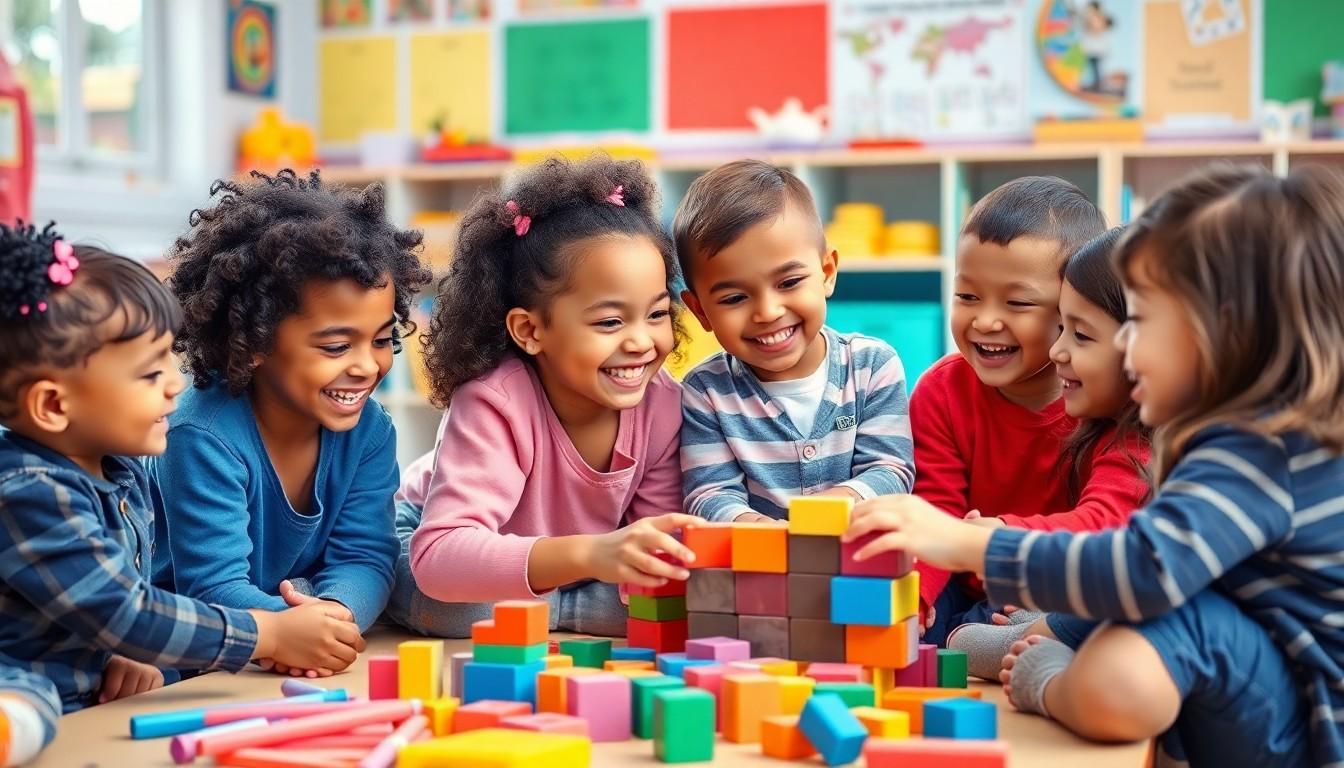
Play-based learning encourages exploration through engaging activities. Children interact with materials and peers, enhancing creativity and problem-solving abilities. Research shows this method promotes cognitive growth while keeping learning enjoyable. Activities like role-play, building blocks, and group games stimulate curiosity and social skills. Emphasis on child-led play allows individuals to pursue interests, fostering a love for learning. Educational settings that emphasize play create an environment where children thrive and develop crucial life skills.
Structured Learning Environments
Structured learning environments offer children stability and routine, essential for cognitive and emotional security. These settings incorporate schedules and specific activities, allowing for a balanced approach that combines free play with guided learning. Research indicates that children in structured environments show improved focus and academic readiness. Teachers use clear objectives to direct activities, ensuring that children engage with key concepts. Additionally, implementing small group work encourages collaboration, enhancing communication and teamwork skills. This balance between structure and flexibility prepares children for future educational challenges.
Benefits of Experience Early Learning
Experience early learning offers numerous advantages that contribute to holistic child development. This approach not only enhances academic abilities but also fosters essential life skills.
Cognitive Development
Cognitive development thrives in environments that promote curiosity and exploration. Children exposed to hands-on learning opportunities develop critical thinking skills, which leads to better problem-solving abilities. Engaging activities stimulate brain growth and encourage creativity, making connections between concepts clearer. Research shows that children who participate in experience early learning programs demonstrate superior academic performance later on. Creative play allows for experimentation, enabling children to grasp new information effectively. Through interactive exploration, young learners build strong foundations in literacy and numeracy, setting them up for future success.
Social and Emotional Growth
Social and emotional growth plays a significant role in experience early learning. Children develop essential social skills by interacting with peers in cooperative play. They learn to communicate effectively, share, and resolve conflicts, which builds confidence. Emotional intelligence improves as children engage with diverse perspectives, fostering empathy for others. Learning in group settings provides a supportive environment where kids can express their feelings and practice teamwork. These experiences cultivate resilience, enabling children to navigate challenges more effectively. Overall, strong social and emotional foundations set the stage for lifelong interpersonal skills, essential for personal and professional success.
Role of Caregivers and Educators
Caregivers and educators play a crucial role in early learning, creating environments where children thrive.
Creating Supportive Environments
Supportive environments encourage children to feel safe and valued. Caregivers establish routines that promote security and predictability, essential for young learners. Educators design classrooms filled with resources that stimulate learning and exploration. Spaces should be organized to facilitate easy access to materials, allowing children to engage independently. Training for caregivers equips them to identify each child’s unique needs and adapt their approach accordingly. When caregivers and educators work together, they foster a strong sense of community. Collaborative efforts ensure that families feel included, enhancing the overall educational experience.
Encouraging Exploration and Curiosity
Encouragement of exploration and curiosity transforms the early learning experience. Educators craft activities that spark interest, guiding children to ask questions and seek answers. Playful interactions make learning enjoyable and deepen understanding. Inquiry-based learning stimulates critical thinking, helping children connect concepts to real-world experiences. Caregivers can encourage outdoor play and adventures, allowing natural curiosity to flourish. Engaging with diverse materials supports various learning styles, fostering creativity. Opportunities for hands-on experiences play a vital role in nurturing inquisitive minds, laying the foundation for lifelong learning.
Conclusion
Experience early learning paves the way for children’s growth in a world that demands adaptability and creativity. By prioritizing hands-on activities and interactive environments, children can cultivate essential skills that extend beyond the classroom. This approach not only nurtures cognitive development but also fosters emotional intelligence and social skills.
As caregivers and educators work together to create supportive spaces, children flourish in their exploration. The emphasis on play-based learning and personalized experiences ensures that each child’s unique interests are valued. Ultimately, investing in early learning equips children with a solid foundation for future academic success and lifelong learning.