
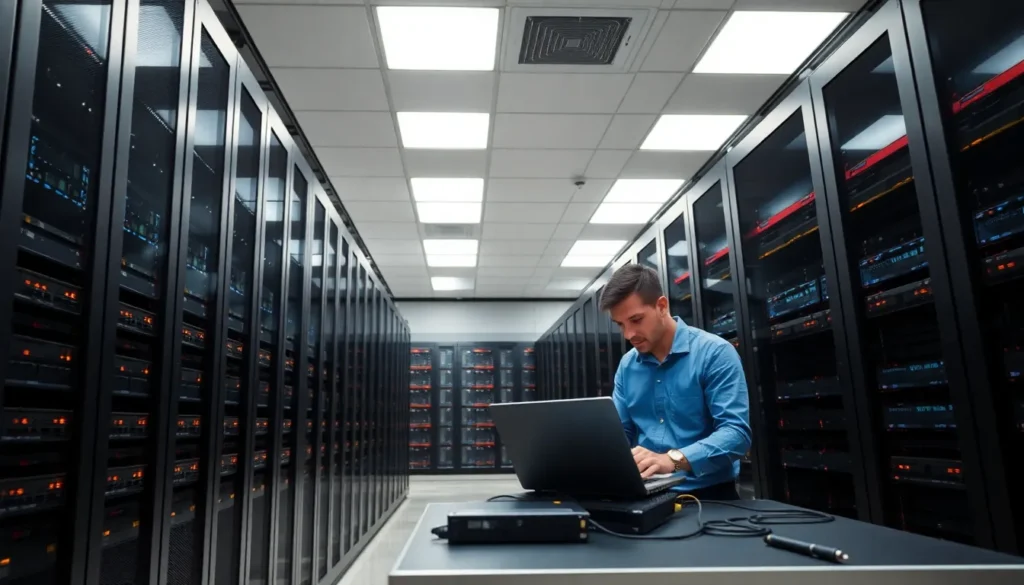
When it comes to the backbone of any online business, hardware plays a crucial role, particularly for a company like WebBizMagnet.com. The right hardware not only influences website performance but also impacts user experience, security, and scalability. This article delves into the essentials of hardware in web hosting, exploring key components, considerations for scalability and performance, and future trends that businesses should be aware of.
Understanding Hardware Essentials for Web Hosting

At the heart of every efficient web hosting service lies robust hardware designed to handle various tasks seamlessly. For WebBizMagnet.com, understanding the essentials of server hardware can make a significant difference in service quality and reliability.
The fundamental components include servers, storage devices, and networking equipment. Each piece of hardware serves a unique purpose:
- Servers process requests, handle data, and host websites. They must be powerful enough to manage numerous concurrent users without lag.
- Storage Devices store files, databases, and backups. Solid-state drives (SSDs) are increasingly favored over traditional hard drives (HDDs) for their speed and reliability.
- Networking Equipment, including routers and switches, ensures smooth communication among devices and internet connectivity.
Also, hardware must support scalability. As WebBizMagnet.com grows, its hardware must accommodate increased traffic and data storage requirements.
Key Hardware Components in Web Hosting
The combination of different hardware components directly influences the effectiveness of web hosting solutions. Key components include:
1. Web Servers
These specialized computers store, process, and deliver web pages to users.
2. Database Servers
They manage databases, ensuring that data is readily available and can be retrieved efficiently.
3. Load Balancers
Load balancers distribute incoming traffic across multiple servers, enhancing performance and reliability.
4. Firewalls
Protecting servers from malicious attacks, firewalls are an essential component of any web hosting hardware setup.
5. Backup Solutions
Regular backups are crucial: hence, dedicated hardware solutions enhance data security and recovery protocols.
Scalability and Performance Considerations
When planning hardware architecture for WebBizMagnet.com, scalability and performance must be prioritized. A scalable infrastructure allows resources to expand as user demand grows, preventing bottlenecks or downtimes that can tarnish client reputation.
Virtualization
Utilizing virtualization technology, businesses can run multiple virtual servers on a single physical server, effectively maximizing hardware usage.
Performance Metrics
Monitoring hardware performance metrics is vital.
- Latency refers to the time taken for data to travel: reducing latency can enhance user experience.
- Uptime is critical, as downtime can lead to lost revenue and customer trust. Aim for a minimum of 99.9% uptime.
All these considerations ensure that WebBizMagnet.com remains responsive and capable of handling traffic surges.
Choosing the Right Hardware for Your Business Needs
Choosing the appropriate hardware involves understanding business needs and anticipated growth. For WebBizMagnet.com, this assessment includes:
Performance Requirements
Consider the type of services offered. A business focused on media delivery, for example, requires high-bandwidth solutions compared to a text-based site.
Budget Constraints
While investing in high-end hardware can improve performance, it is essential to balance quality with costs. Solutions like cloud hosting and managed services can offer flexibility.
Future-Proofing
Investing in hardware solutions that offer scalability and compatibility with future technologies can save significant costs down the line.
Consultation with Experts
Consulting with hardware experts can guide businesses in making informed decisions, ensuring alignment with current and future tech trends.
Maintenance and Upgrades for Optimal Performance
Regular maintenance and timely upgrades are necessary for sustaining optimal hardware performance in web hosting.
Maintenance Practices
- Routine Checks: Regularly check for hardware malfunctions: early detection can prevent system failures.
- Updates and Patching: Keeping software and firmware updated ensures hardware operates smoothly and securely.
Planning Upgrades
As technology evolves, so do hardware requirements. Planning for upgrades should involve assessing current performance against business needs and industry standards.
Monitoring Tools
Employ monitoring tools that provide real-time insights into hardware performance, allowing for proactive management of any issues.
Future Trends in Web Hosting Hardware
The landscape of web hosting hardware continues to evolve, prompting businesses like WebBizMagnet.com to stay updated on emerging trends:
Emergence of AI and Machine Learning
AI can enhance performance by optimizing server resources based on traffic patterns, leading to more efficient operations.
Edge Computing
Shifting computation closer to users decreases latency and improves service delivery, particularly for global businesses.
Green Technologies
Sustainable hardware solutions, such as energy-efficient servers and cooling technologies, are becoming a priority, combining eco-friendliness with cost-saving.
Conclusion
To conclude, hardware is undeniably the backbone of WebBizMagnet.com, impacting every aspect of web hosting from performance to security. As businesses increasingly rely on technology, understanding the hardware essentials, making informed choices, implementing maintenance strategies, and anticipating future trends will ensure they remain competitive. With these insights, WebBizMagnet.com can effectively leverage its hardware resources to provide top-tier services to its users.