
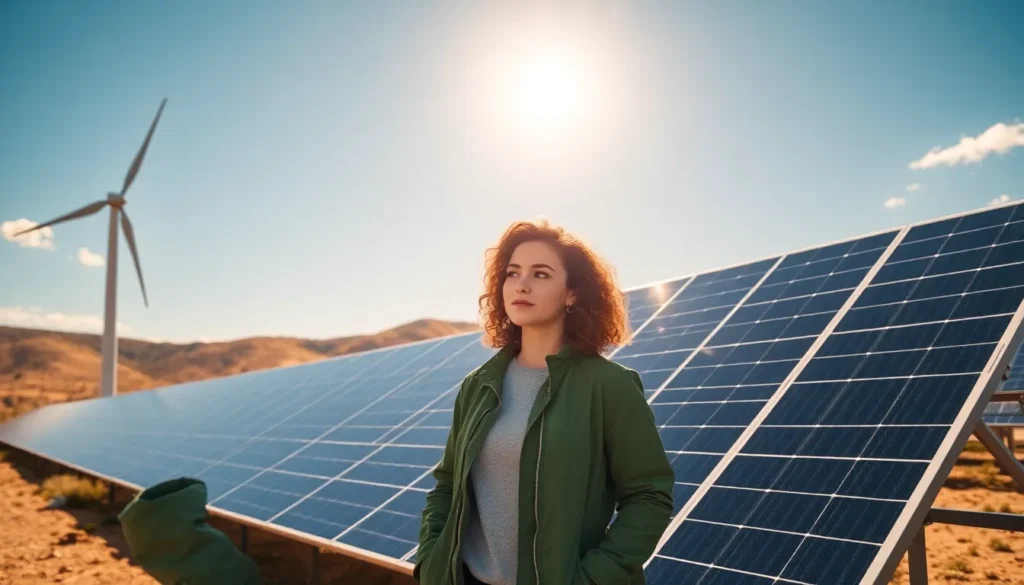
In a rapidly evolving global landscape, energy trends are more pertinent than ever. Various factors, from technological advances to geopolitical tensions, are shaping how energy is produced, consumed, and stored. In this text, we will explore the latest developments in global energy trends, investigate into the impact of global events on energy supply, examine technological advancements in energy storage, and provide insights into the future of energy initiatives. Readers will gain a comprehensive understanding of the current state and emerging shifts in the energy sector.
Latest Developments in Global Energy Trends
Key Innovations in Renewable Energy
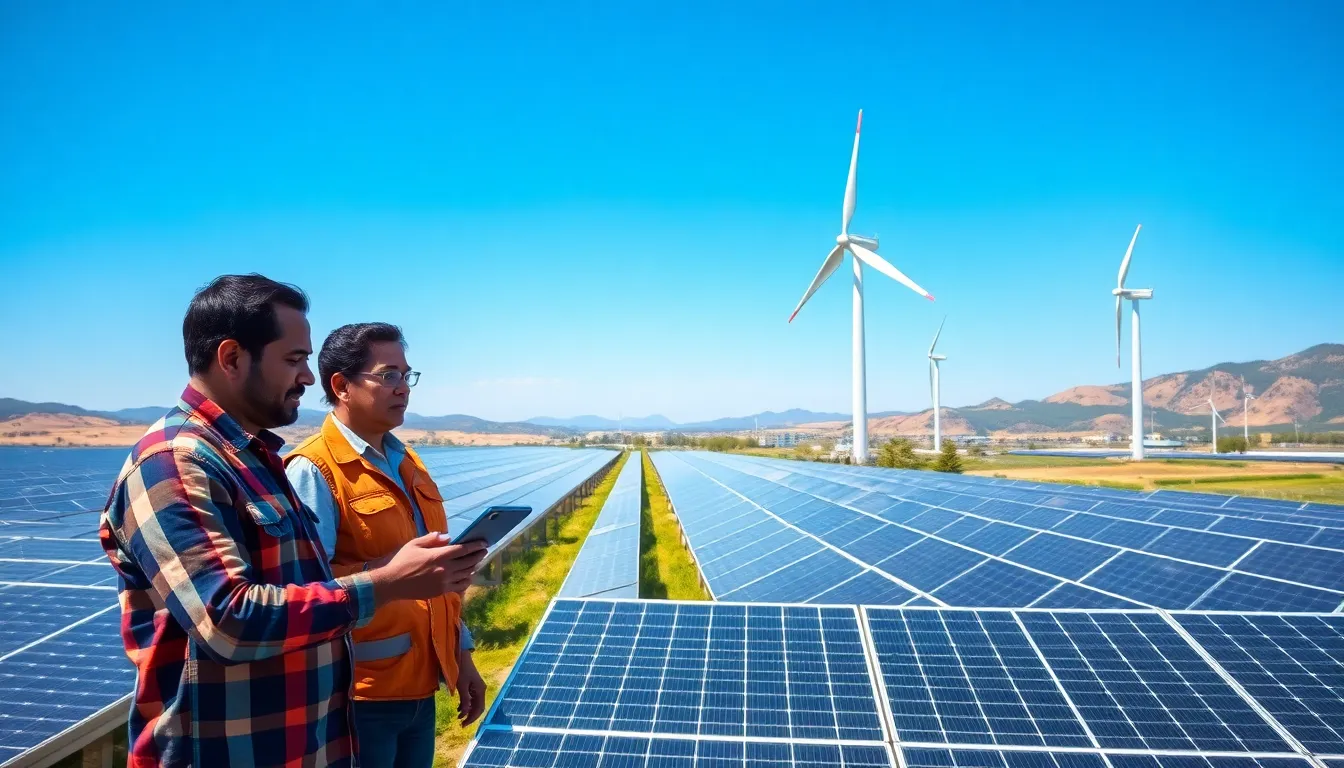
The renewable energy sector continues to witness groundbreaking innovations. Among the most notable advancements is the increasing efficiency of solar panels, with newer models capable of converting over 25% of sunlight into electricity. Also, wind energy technology has improved significantly, with larger turbines being able to harness more wind power even at lower wind speeds. Such innovations are pivotal in accelerating the transition to cleaner energy sources, thereby reducing reliance on fossil fuels.
Also, hydropower remains a stalwart in the renewable energy landscape, benefiting from innovations in turbine design and efficiency. Floating solar farms are emerging as a new trend, allowing for solar energy generation on otherwise unused water bodies, enhancing energy accessibility without demanding additional land.
Government Policies Shaping Energy Markets
Governments worldwide are playing a crucial role in steering energy markets towards sustainability. Policies aimed at reducing carbon emissions are becoming more prevalent, with many nations setting ambitious targets for achieving net-zero emissions by mid-century. The U.S. rejoining the Paris Agreement and various European nations proposing stringent climate policies exemplify such initiatives.
Plus, subsidies and tax incentives for renewable energy projects have created favorable conditions for investment in clean technologies. These legislative measures not only stimulate economic activity but also foster public-private partnerships, further propelling the energy transition forward.
Impact of Global Events on Energy Supply
Geopolitical Tensions and Their Effects
Geopolitical tensions significantly impact energy supply chains, influencing both production and prices. The recent conflict in Eastern Europe has been a stark reminder of the vulnerability of energy dependencies. Countries reliant on oil and gas from politically unstable regions have faced increased prices and supply shortages, compelling a reevaluation of their energy strategies.
Besides, sanctions imposed on major oil-exporting nations can lead to immediate disruptions in global markets. This volatility forces nations to diversify their energy imports and invest more in domestically produced renewable energy sources.
Natural Disasters and Energy Infrastructure
Natural disasters pose a substantial threat to energy infrastructure, often leading to significant supply disruptions. For instance, hurricanes and earthquakes can inflict serious damage on power plants and transmission lines. The recent hurricanes in the Gulf of Mexico highlighted the fragility of energy infrastructure in hurricane-prone areas, underscoring the need for resilience in power systems.
As climate change continues to intensify weather patterns, the energy industry must adapt by investing in more robust and disaster-proof infrastructure. This adaptation could include underground cables and improved energy efficiency standards to minimize downtime and maintain supply continuity.
Technological Advances in Energy Storage
Emerging Technologies and Their Potential
Energy storage is a crucial component in effective energy management, especially for renewable sources that are inherently intermittent. Recent advancements in battery technology, particularly lithium-ion batteries, have made it more feasible to store surplus energy generated from renewables.
Emerging technologies, such as solid-state batteries and flow batteries, promise improvements in energy density, efficiency, and longevity, providing greater flexibility for energy systems. Also, integrating artificial intelligence (AI) into energy management systems allows for optimized usage and distribution of stored energy, further enhancing grid stability and reliability.
Challenges in Energy Storage Solutions
Even though advancements, energy storage still faces significant challenges. High costs associated with current storage technologies, especially for large-scale applications, continue to limit widespread adoption. Also, the environmental impact of battery production and disposal raises concerns about sustainability.
Further research is needed to develop economically viable and environmentally friendly storage solutions. Addressing these challenges is essential for meeting energy demands while transitioning to a greener energy landscape.
The Future of Energy: Predictions and Outlooks
Sustainable Energy Initiatives
Several initiatives are underway aimed at promoting sustainable energy practices. Cities around the world are implementing smart city strategies that use connected technologies to optimize energy consumption. Smart grids, enabling real-time data analytics, are pivotal in managing energy flow and integrating renewable sources more effectively.
Also, governments are investing in public transportation and electric vehicle (EV) infrastructure, anticipating a reduced carbon footprint and increased demand for clean energy. These measures not only support environmental goals but also create jobs and bolster economic growth through the acceleration of the green economy.
Potential Barriers to Renewable Adoption
But, the transition to renewable energy isn’t without its barriers. Resistance from traditional energy sectors, regulatory hurdles, and infrastructural inadequacies pose significant challenges. Also, public perception and the willingness to adopt new technologies play crucial roles in the acceptance of renewable sources.
Education and awareness campaigns are vital to inform the public about the benefits of renewable energy, helping to alleviate concerns and resistance. Overcoming these barriers is essential to ensure a smooth and accelerated transition toward a sustainable energy future.
Conclusion
To conclude, the global energy landscape is undergoing transformative changes influenced by technological innovations, government policies, and global events. While challenges such as geopolitical tensions and natural disasters can disrupt energy supply, advancements in renewable energy and energy storage offer promising solutions. Looking ahead, sustainable energy initiatives are poised to shape a greener future, though significant barriers must be addressed. By fostering a collaborative approach among governments, industries, and communities, the trajectory towards a sustainable energy landscape appears more achievable than ever.