

Parenting isn’t just a job; it’s a wild adventure filled with unexpected twists, turns, and a healthy dose of chaos. From navigating toddler tantrums to deciphering the mysterious language of teenagers, every stage offers its own set of challenges and triumphs. It’s like trying to assemble IKEA furniture without the instructions—frustrating yet oddly rewarding.
In this article, we’ll explore various parenting perspectives that can turn the daunting into the delightful. Whether you’re a seasoned pro or a newbie just trying to keep your sanity, understanding different approaches can provide fresh insights. Let’s dive into the colorful world of parenting, where every laugh and eye-roll adds to the rich tapestry of family life. After all, in the grand scheme of things, it’s the moments of joy (and occasional hilarity) that make this journey worthwhile.
Overview of Parenting Perspectives
Various viewpoints exist regarding parenting, each shaped by personal experiences and cultural backgrounds. These perspectives allow parents to navigate the complexities and challenges inherent in raising children. Understanding different approaches can facilitate better parenting strategies, as each offers unique insights.
Authoritative parenting emphasizes structure, support, and guidance. This method combines high expectations with emotional warmth, promoting independence while establishing clear boundaries. Research indicates that children raised with this approach tend to develop strong social skills and self-discipline.
On the other hand, permissive parenting focuses on nurturing and communication. Parents adopting this style often avoid imposing strict rules, fostering a relaxed environment. Although this can encourage creativity and self-expression, children may struggle with boundaries and expectations.
Another prevalent perspective involves authoritarian parenting, characterized by high demand and low responsiveness. This approach prioritizes obedience and discipline, perhaps limiting emotional connections. While children may exhibit strong adherence to rules, they often experience challenges with self-esteem and decision-making.
Lastly, a more recent approach, known as gentle or attachment parenting, centers on forming strong emotional bonds with children. Advocates of this perspective emphasize responsiveness to children’s needs, promoting secure attachments. Studies correlate this style with improved emotional regulation among children.
Exploring these perspectives equips parents with tools to tailor their approaches, addressing their children’s unique needs effectively. Diverse insights can transform daunting parenting moments into positive experiences, making the journey more rewarding for everyone involved.
Traditional Parenting Styles
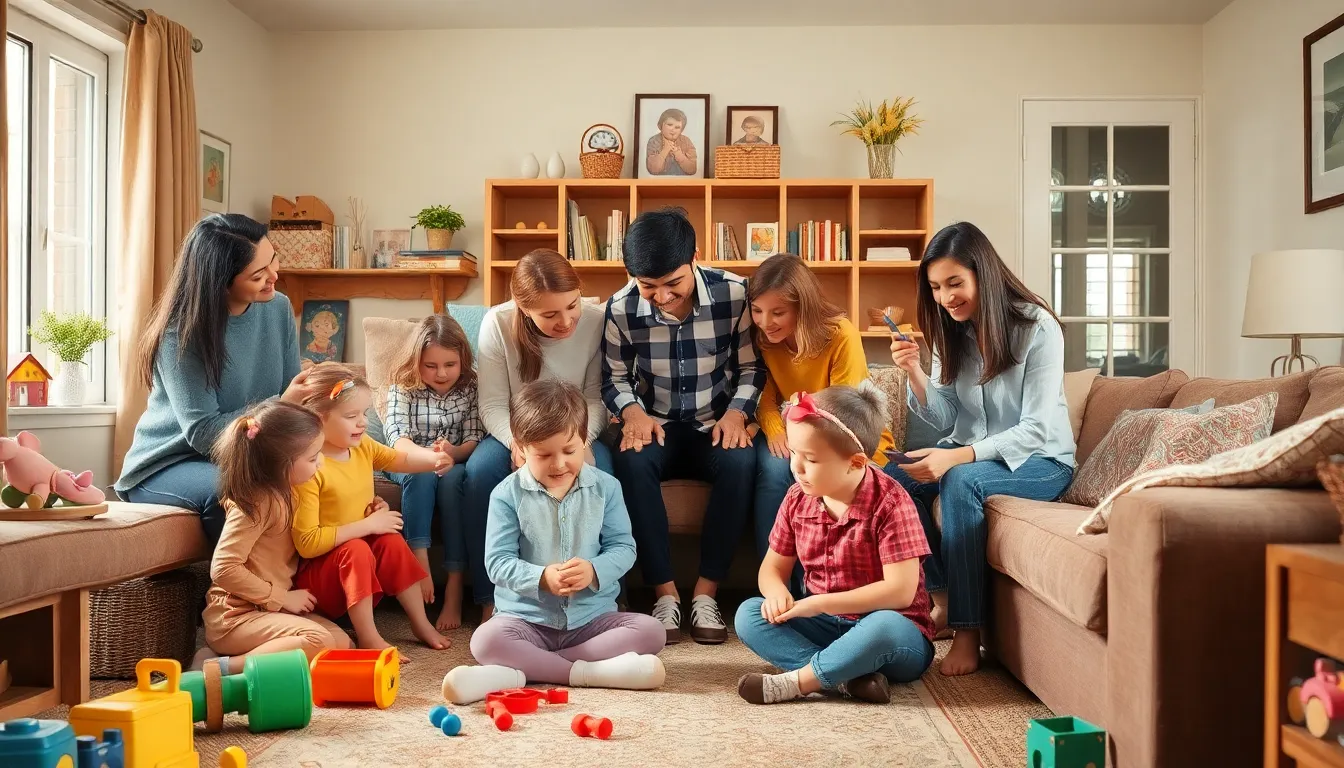
Traditional parenting styles significantly shape a child’s development and experiences. Different methods create distinct environments impacting children’s behavior and emotional health.
Authoritative Parenting
Authoritative parenting strikes a balance between guidance and independence. This style promotes a nurturing environment while maintaining clear expectations. Parents offer age-appropriate choices, encouraging children to express themselves. Research shows that children raised under authoritative parenting often exhibit higher self-esteem, better academic performance, and improved social skills. Effective communication is key within this approach, leading to stronger parent-child relationships. High expectations do not come at the cost of emotional support, fostering both discipline and love.
Authoritarian Parenting
Authoritarian parenting emphasizes strict rules and high expectations. Parents practicing this style prioritize obedience and discipline over emotional connection. Children face rigid guidelines but often lack opportunities for open dialogue. This can result in fear of failure or low self-esteem in the child. Studies indicate that children raised in authoritarian households may struggle with anxiety and defiance. While this approach can establish order, it risks stifling creative expression. Strict boundaries might lead to rebellion during adolescence, as children seek autonomy.
Modern Approaches to Parenting
Modern parenting approaches reflect unique methods that respond to contemporary challenges. Among these methods, attachment parenting fosters deep emotional bonds that positively influence child development.
Attachment Parenting
Attachment parenting focuses on responding to children’s needs consistently. Parents prioritize nurturing and physical closeness, enhancing emotional security. Techniques include breastfeeding on demand and co-sleeping, promoting stronger parent-child relationships. Caregivers often encourage gentle discipline, guiding behavior through understanding rather than harsh rules. This approach strengthens trust and communication, laying a solid foundation for future interactions. Research indicates that children raised with this method tend to exhibit greater emotional regulation and social competence.
Positive Parenting
Positive parenting emphasizes encouragement and support over punishment. This method fosters a respectful environment where children feel valued. Techniques include setting clear expectations while acknowledging efforts and achievements. Parents practice active listening and validate children’s feelings, creating a collaborative atmosphere. By using positive reinforcement, caregivers motivate desired behaviors, leading to stronger self-esteem among children. Studies highlight that children raised in such an environment typically display better problem-solving skills and healthier relationships in adulthood.
Cultural Influences on Parenting Perspectives
Cultural contexts play a vital role in shaping parenting perspectives. Each culture brings unique values and beliefs that influence how parents interact with their children.
Parenting in Different Cultures
Parenting practices vary significantly across cultures. In collectivist societies, for example, families often emphasize communal values and interdependence. This approach nurtures close-knit relationships, focusing on cooperation and respect for authority. Conversely, individualistic cultures tend to foster independence and self-expression in children. These cultures encourage risk-taking and personal achievement. Ultimately, understanding these differences allows parents to appreciate diverse practices, enriching their own parenting experiences.
The Impact of Society on Parenting Styles
Societal norms heavily shape parenting styles. Media, education, and community expectations influence behavior. For instance, urban parents often face unique pressures, such as balancing work and family time. Many families may adopt more permissive styles due to hectic lifestyles, prioritizing freedom over structure. In contrast, rural communities might lean towards authoritative practices, emphasizing discipline and close supervision. Recognizing these societal dynamics enhances a parent’s ability to adapt strategies effectively, ensuring they meet their children’s needs in varying contexts.
Challenges in Parenting Perspectives
Navigating parenting presents several challenges that require careful consideration and adaptation.
Balancing Work and Parenting
Balancing work alongside parenting often leads to significant stress. Many parents struggle to juggle career demands with their children’s needs. Flexibility in work schedules can provide some relief. Implementing routines supports a smoother flow at home. Conversations with employers about remote options or flexible hours may yield benefits. Utilizing family support, such as babysitters or relatives, can also lighten the load. Prioritizing tasks at work and home helps streamline responsibilities. By creating a structured environment, parents foster both professional success and family well-being.
Coping with Parenting Criticism
Coping with criticism from others poses another challenge for parents. Judgments may come from family, friends, or even strangers. Listening to diverse perspectives can offer valuable insights, but negativity often creates doubt. Focusing on one’s parenting philosophy strengthens confidence in choices. Engaging with supportive communities provides encouragement and reassurance. It’s important to filter feedback and recognize when it’s constructive versus harmful. Establishing clear boundaries helps protect personal values from outside influence. Embracing imperfections allows parents to grow, promoting resilience amidst external pressures.
Parenting is a journey filled with ups and downs that shape both parents and children. Each perspective offers valuable insights that can transform challenges into opportunities for growth. By understanding various approaches and cultural influences, parents can adapt their methods to better meet their children’s needs.
Flexibility and support play crucial roles in navigating this complex landscape. Embracing different philosophies and learning from experiences can lead to a more fulfilling parenting experience. Ultimately, it’s about finding joy in the little moments and fostering strong connections that last a lifetime.