

Navigating the wild world of parenting can feel like trying to solve a Rubik’s Cube blindfolded. With so many styles to choose from, it’s no wonder parents often feel like they’re trapped in a never-ending game of trial and error. Enter the fascinating realm of AP Psychology, where understanding these parenting styles can turn chaos into clarity.
Overview Of Parenting Styles
Parenting styles reflect different approaches to raising children. Psychologists typically recognize four main types: authoritative, authoritarian, permissive, and neglectful. Each style carries unique characteristics and impacts child development.
Authoritative parenting combines high expectations with emotional support. Parents set clear rules while encouraging independence. Research shows that children raised by authoritative parents often exhibit higher self-esteem and better social skills.
Authoritarian parenting emphasizes obedience and discipline. Parents enforce strict rules with little room for flexibility. This approach may lead to children who excel academically but struggle with social interactions.
Permissive parenting allows considerable freedom with minimal guidelines. Parents nurture their children’s desires but lack a structured environment. Consequently, children from permissive households may face challenges in self-regulation and responsibility.
Neglectful parenting involves a lack of responsiveness and attention. Parents are often uninvolved in their child’s life. This neglect can contribute to various emotional and behavioral issues.
Understanding these styles aids in recognizing their long-term effects on children. Research underscores the importance of a balanced approach that fosters both structure and emotional support. Each style’s impact manifests in various aspects of a child’s behavior, self-esteem, and overall well-being.
Authoritative Parenting
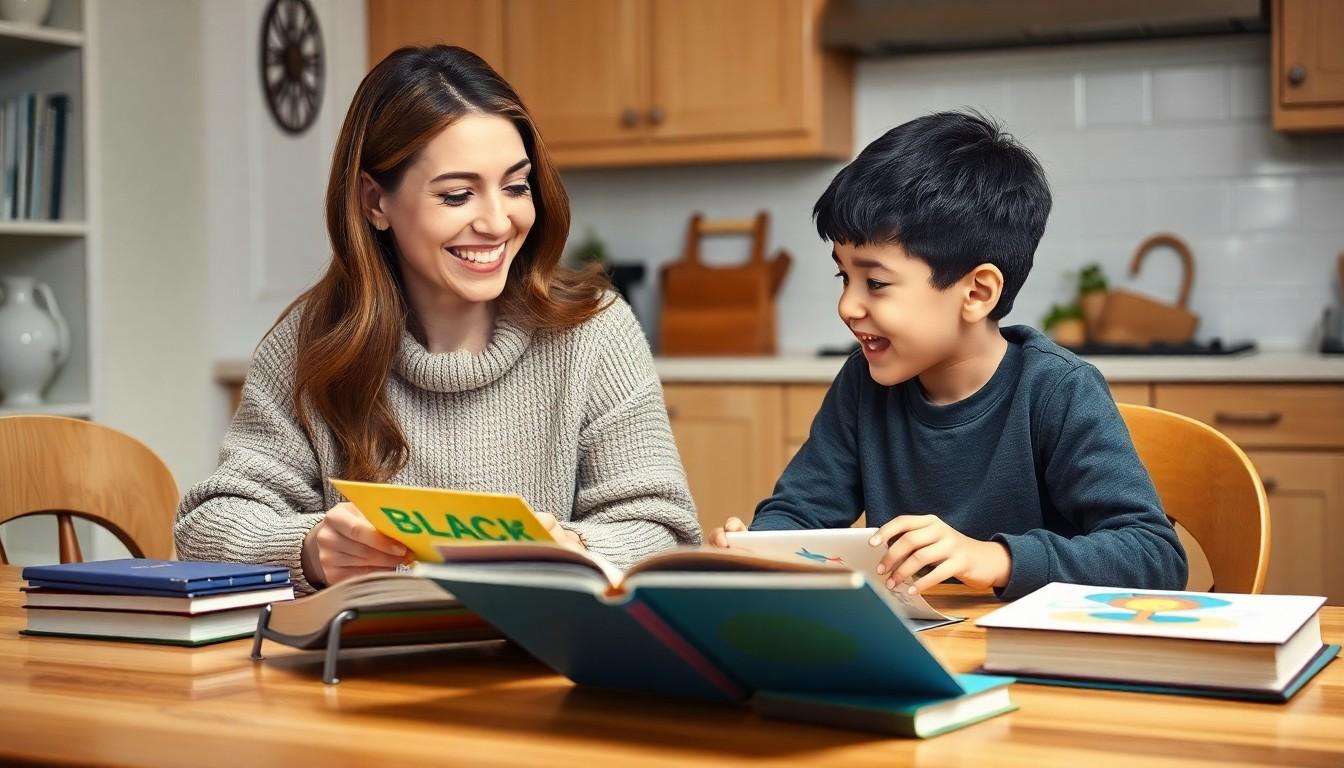
Authoritative parenting represents a balanced approach, combining high expectations with emotional support. This style emphasizes open communication, allowing children to express their thoughts and feelings while setting clear boundaries.
Characteristics
Characteristics of authoritative parenting include warmth, responsiveness, and structure. Parents showing warmth create nurturing environments, encouraging children to thrive. Consistent rules provide necessary structure, promoting discipline without being overly strict. Additionally, parents foster independence, allowing children to make age-appropriate decisions. A nurturing dialogue prevails, where parents and children discuss feelings openly, emphasizing mutual respect.
Impact on Children
Children raised in authoritative households often demonstrate higher self-esteem. They tend to develop better social skills, exhibiting cooperation and empathy. Research indicates these children excel academically, achieving higher grades and showing greater motivation. Emotional regulation appears stronger, with these children better equipped to cope with stress. Moreover, they tend to exhibit resilience in challenging situations, showcasing adaptability in various environments.
Authoritarian Parenting
Authoritarian parenting emphasizes strict rules, high expectations, and obedience. This style often prioritizes discipline over emotional support, creating an environment where parents enforce compliance.
Characteristics
Rules define authoritarian parenting, creating an atmosphere where questioning authority is discouraged. Parents maintain high demands with little room for flexibility. Emphasis remains on obedience and respect for authority figures. Communication tends to be one-sided, lacking opportunities for children to express their views. Emotional warmth frequently disappears, resulting in a cold, distant relationship.
Impact on Children
Children raised under authoritarian parenting often thrive academically due to the focus on discipline. However, they may struggle socially, finding it challenging to navigate friendships and peer interactions. Emotional regulation can decline, leading to increased anxiety and lower self-esteem. Many exhibit difficulties with problem-solving, relying heavily on authority rather than developing personal judgment. Overall, the push for achievement can produce compliant individuals but may inhibit emotional growth.
Permissive Parenting
Permissive parenting involves granting significant freedom to children while maintaining few guidelines. It emphasizes warmth alongside leniency, fostering a more relaxed environment.
Characteristics
Permissive parents exhibit high levels of nurturing and affection. They prioritize their children’s happiness, often avoiding strict rules. Lack of discipline characterizes this style, leading to minimal expectations for behavior. Parents may act more like friends than authority figures, encouraging open dialogue. Boundaries often blur, making it challenging for children to understand limits. Emotional support remains strong, but structure may be inconsistent.
Impact on Children
Children raised in permissive households might struggle with self-regulation. They often lack the skills necessary to manage impulses, affecting their decision-making. Higher tendencies toward entitlement can develop, leading to challenges in taking responsibility. Social interactions may become difficult as they encounter issues with authority and rules outside the home. While these children often display creativity and self-expression, difficulties with time management and organization can arise. Emotional volatility may increase due to a lack of guidance, influencing peer relationships and adaptability.
Uninvolved Parenting
Uninvolved parenting represents a style marked by low levels of both responsiveness and demandingness. This approach often results in minimal emotional support and limited involvement in children’s lives.
Characteristics
Common traits of uninvolved parenting include neglect of children’s basic needs, a lack of emotional connection, and minimal guidance. Parents typically engage in little communication, which can lead to children feeling unsupported. Often disengaged, they may prioritize their own needs over those of their children. Some uninvolved parents might demonstrate indifference toward academic performance and social activities. This absence of involvement often results in a chaotic home environment, where children lack clear structure and boundaries.
Impact on Children
Children raised in uninvolved households frequently experience various emotional and behavioral problems. Research indicates they are prone to issues such as low self-esteem, poor social skills, and difficulty forming relationships. These children may struggle with self-regulation and show increased symptoms of anxiety and depression. Often lacking guidance, they can develop feelings of unworthiness, causing academic challenges. Additionally, the lack of parental support can hinder their ability to cope with stress, leading to further emotional difficulties.
Conclusion
Understanding parenting styles is crucial for fostering healthy child development. Each style offers distinct advantages and challenges that can shape a child’s future. By recognizing the traits of authoritative, authoritarian, permissive, and neglectful parenting, individuals can make informed choices that promote emotional well-being and resilience in children.
Striking a balance between structure and support is essential. This approach not only nurtures self-esteem and social skills but also prepares children to navigate the complexities of life. Embracing insights from AP Psychology can empower parents to adapt their strategies, ultimately leading to more positive outcomes for their children.