
Summer camp for 3-year-olds? You bet! While some might think toddlers are too young for camp, the truth is these little adventurers are ready to explore, learn, and make friends. Imagine a place where tiny feet stomp through mud puddles, little hands create masterpieces, and giggles fill the air. It’s not just a camp; it’s a magical world of discovery!
At this age, children are like sponges, soaking up new experiences and social skills. Summer camp offers them a safe space to unleash their creativity, build confidence, and develop important life skills—all while having a blast. So, why not give your little one the gift of adventure this summer? After all, who wouldn’t want to see their toddler come home covered in glitter and stories of new friendships?
Overview of Summer Camp For 3 Year Olds
Summer camp for 3-year-olds offers a dynamic environment for childhood growth. Kids engage in age-appropriate activities designed to stimulate their creativity. These camps focus on exploration, allowing toddlers to participate in art projects, water play, and interactive games. Social skills evolve as children share experiences with peers and develop friendships.
Safety remains a priority in these camps, with trained staff ensuring a supportive atmosphere. Parents can feel confident knowing their little ones are enjoying supervised activities. Various programs highlight skill development, including problem-solving and teamwork.
The structure of daily activities may include outdoor play, music, and storytime, enriching their experience. Camps often integrate themes that captivate young minds, such as nature or adventure. In turn, this thematic approach keeps toddlers engaged and excited about learning.
Parents can expect daily communication regarding their child’s progress and favorites. Opportunities for parents to participate in special events also enhance community connection. Feedback from caregivers indicates these experiences significantly improve confidence and social skills.
Many summer camps provide flexible scheduling to accommodate family needs. Options for half-day or full-day programs cater to varying preferences. This flexibility allows families to choose what works best for their toddlers’ energy levels and developmental stages.
Engagement at summer camps lays the foundation for lifelong learning and exploration. Through these experiences, children develop a love for outdoor activities and creative expression. Such foundational skills support future educational endeavors and social interactions.
Benefits of Early Childhood Camps
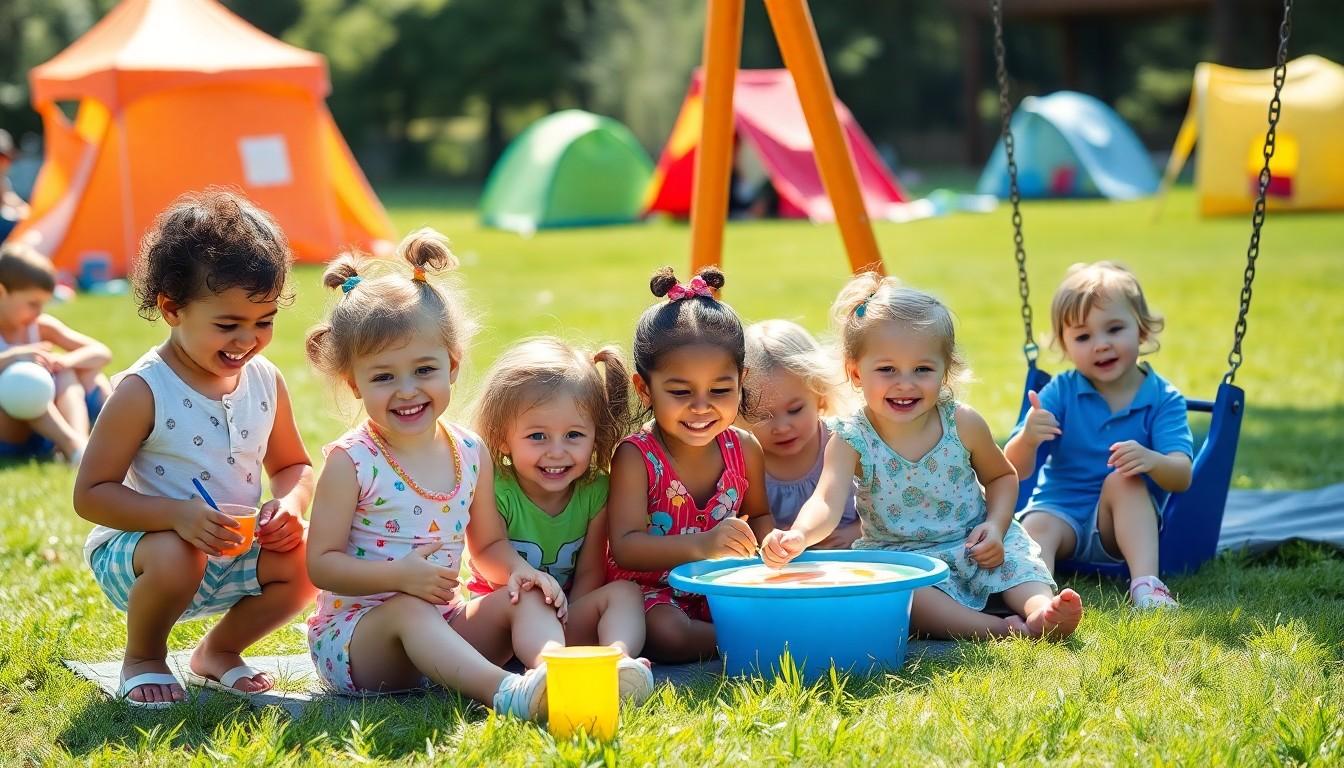
Early childhood camps offer numerous advantages for toddlers, fostering growth and development in various aspects of their lives.
Socialization Skills
Socialization skills play a crucial role in a child’s early development. Camp environments encourage children to interact with peers, helping them learn to share, cooperate, and respect others. They engage in group activities that promote teamwork, creating bonds through play and shared experiences. Trained staff facilitate these interactions, guiding toddlers in navigating social situations. Young campers build friendships, developing empathy and communication skills that form the foundation for future relationships. Parents often notice increased confidence in their children after attending summer camp.
Cognitive Development
Cognitive development thrives in dynamic camp settings. Age-appropriate activities stimulate curiosity and critical thinking. Through hands-on experiences such as art projects and outdoor exploration, children enhance their problem-solving abilities and creativity. Organized activities introduce concepts like numbers and colors in engaging ways, making learning fun. Daily routines, including storytime and music, further promote language skills and comprehension. Camps may use themed projects to foster a sense of discovery, ensuring each child gains valuable knowledge and skills. Regular feedback from caregivers highlights significant improvements in cognitive abilities after attending camp.
Types of Programs Available
Various programs cater to the interests and developmental needs of 3-year-olds at summer camps. Families can select from engaging outdoor activities and stimulating arts and crafts sessions.
Outdoor Activities
Outdoor activities provide toddlers with ample opportunities to explore nature and develop physical skills. They may run, jump, and climb as they play structured games and participate in obstacle courses. Camp staff often supervise these activities, ensuring safety and encouraging cooperation among peers. Water play may also feature prominently, offering sensory experiences that enhance motor skills. Engaging in group games fosters social connections and teaches important lessons about teamwork, promoting confidence in young children.
Arts and Crafts
Arts and crafts sessions stimulate creativity and self-expression in young campers. Children can use various materials such as paint, clay, and paper to create their unique masterpieces. Craft projects often incorporate themes from the camp, allowing for exploration of colors and shapes while enhancing fine motor skills. Camp staff guide these activities, encouraging collaboration and sharing among toddlers. As they engage in art, kids build self-esteem by seeing their ideas come to life, paving the way for a deeper appreciation of creativity.
Selecting the Right Camp
Choosing the right summer camp for 3-year-olds involves several important factors. Parents should prioritize a nurturing environment that caters to toddlers’ developmental needs. Consider programs that offer structured yet flexible schedules to accommodate various family routines. Evaluate the camp’s approach to safety, including staff qualifications and child-to-adult ratios. Look into the availability of engaging activities tailored specifically for this age group to foster creativity and social interaction.
Key Considerations
Programs designed for early childhood should emphasize developmental milestones and cater to emerging social skills. Facilities should feature safe, age-appropriate spaces for exploration and indoor activities. Communication between camp staff and parents plays a crucial role in tracking development and progress. Daily schedules that include diverse experiences enhance children’s enjoyment and engagement. Exploring family reviews and recommendations can also provide valuable insights.
Questions to Ask Camp Administrators
Inquiring about staff training and experience with young children helps assess the camp’s reliability. Parents should ask how the camp handles emergencies and child behavior management. Learning about daily schedules, including the types of activities offered, informs parents about their child’s potential experiences. Understanding communication strategies for progress updates ensures parents remain informed. Additionally, asking about flexibility in scheduling options can help in planning around other commitments.
Preparing Your Child For Camp
Preparing a child for summer camp involves several thoughtful steps that promote a smooth transition. Parents can start the process by discussing what to expect, emphasizing the fun aspects.
Packing Essentials
Packing essentials for 3-year-olds includes comfort items and necessary supplies. Parents should include a labeled water bottle, sunscreen for outdoor fun, and a spare set of clothes in case of spills or playtime messes. A favorite stuffed animal or blanket can provide comfort throughout the day. Snacks that are easy to manage help keep energy levels up during activities. Remember to pack appropriate outdoor footwear and a hat for sun protection.
Adjusting To New Environments
Adjusting to new environments can be challenging for toddlers. Parents can ease these changes by visiting the camp before the first day, allowing children to explore and familiarize themselves with the space and staff. Setting a positive tone and sharing exciting experiences boosts confidence. Parents should practice separation by spending time apart in safe environments, reinforcing that they’ll reunite. Encouraging independence through small tasks, like dressing themselves, fosters self-reliance. Communicating openly about feelings promotes emotional readiness for camp challenges.
Conclusion
Summer camp for 3-year-olds offers a unique opportunity for young children to explore and grow in a supportive environment. Through engaging activities and social interactions, toddlers can develop essential life skills while having fun.
Parents can feel confident knowing their children are in a nurturing space that promotes creativity and friendship. The right camp can set the stage for a summer filled with adventure, learning, and cherished memories. By choosing a camp that aligns with their child’s needs, parents can ensure a positive and enriching experience that fosters lifelong curiosity and exploration.